





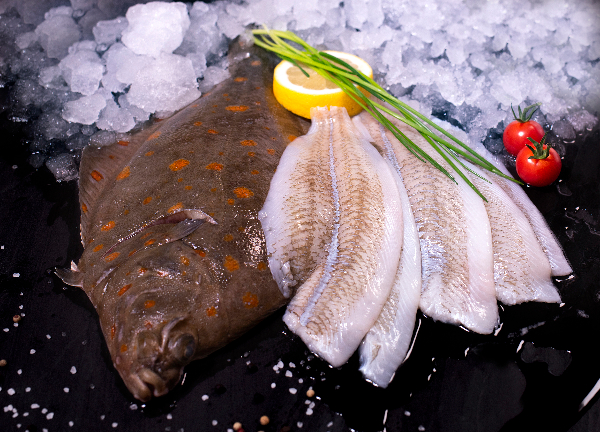
Plaice is one of the most valuable flatfish species harvested from the North Sea and remains a cornerstone of Dutch and Northern European fisheries. Every spring, seafood markets begin promoting a special seasonal catch known as Meischol, literally translated as May Plaice. Although the fish is biologically the same species as ordinary plaice (Pleuronectes platessa), the timing of the catch gives it unique culinary and commercial significance.
The arrival of Meischol traditionally marks the beginning of the spring seafood season. Restaurants across Europe eagerly introduce seasonal menus featuring freshly landed plaice because consumers associate the fish with freshness, delicate flavour and the start of warmer months.
May Plaice is not a different species—it is simply plaice caught during spring, particularly around May, when demand reaches its highest.
The Dutch word "Meischol" literally means "May Plaice." The name originates from the time of year when this fish traditionally becomes available after winter. For generations, Dutch fishermen have landed plaice during spring, with the first catches arriving in May and quickly becoming a culinary highlight across the Netherlands and neighboring countries.
Historically, the first boxes of May Plaice were celebrated in seafood auctions and supplied to restaurants eager to showcase seasonal seafood. The fish became associated with freshness, quality, and the arrival of spring, making it one of the most anticipated seasonal catches in Northern Europe.
Although the name suggests the fish is only available during May, modern fisheries and cold-chain logistics allow high-quality plaice to be supplied throughout much of the year. However, the term Meischol remains a symbol of premium seasonal seafood.
This is one of the most common questions among seafood buyers and consumers. The simple answer is that there is no biological difference. Both fish belong to the same species (Pleuronectes platessa). The differences mainly relate to the season in which they are caught.
May Plaice is harvested during spring, shortly after winter. Regular plaice may be caught throughout the rest of the fishing season.
For decades, May Plaice has been marketed as a seasonal delicacy. Restaurants often promote it as a limited-time specialty, increasing demand during spring months.
Many chefs appreciate early-season plaice because it has a delicate texture that cooks quickly while maintaining excellent moisture.
The first catches of May Plaice often command higher prices because of limited availability and strong seasonal demand.
Plaice is famous for its mild, slightly sweet flavour. Unlike stronger whitefish species, its taste is delicate, making it suitable for consumers who prefer lighter seafood dishes.
Its flesh is soft yet firm enough to hold together during cooking, offering an excellent balance between tenderness and texture.
Professional chefs appreciate plaice because it absorbs herbs, butter, citrus, and light sauces exceptionally well while maintaining its natural flavour.
Besides its excellent flavour, plaice is highly regarded for its nutritional value. It is naturally rich in high-quality protein while remaining relatively low in fat, making it an ideal choice for balanced diets.
Like many cold-water fish, plaice provides essential vitamins and minerals that support overall health.
Regular seafood consumption has been associated with supporting heart health, brain function, muscle recovery, and overall wellbeing when included as part of a balanced diet.
Plaice is harvested in the North Sea throughout much of the year under carefully managed fishing quotas designed to maintain healthy fish stocks.
The term May Plaice refers specifically to fish landed during spring, particularly around May, when consumer demand traditionally peaks.
Today's seafood processors use advanced freezing technologies that preserve freshness immediately after harvest, allowing premium plaice products to be exported worldwide while maintaining excellent quality.
Sustainability plays an increasingly important role in the global seafood industry. North Sea plaice fisheries operate under strict scientific management, catch quotas, and monitoring systems intended to protect marine ecosystems and maintain long-term fish populations.
Responsible seafood companies work closely with certified fisheries and processing facilities to ensure traceability, food safety, and environmental responsibility throughout the supply chain.
Buyers are encouraged to source plaice from suppliers committed to internationally recognized sustainability standards and responsible fishing practices.
Modern seafood processors transform freshly landed plaice into products suitable for wholesalers, retailers, foodservice distributors, and manufacturers across the world.
Typical processing options include:
At Fjordpol AS, we work with trusted seafood processing partners to supply premium North Sea fish products that meet the quality requirements of importers, distributors, wholesalers, and foodservice companies around the world.
No. Meischol is simply plaice caught during the spring season, particularly around May.
It has become a traditional seasonal delicacy associated with freshness, premium quality, and spring seafood menus.
Yes. Plaice is rich in lean protein, vitamins, minerals, and beneficial omega-3 fatty acids while remaining relatively low in fat.
Absolutely. Modern IQF freezing techniques preserve texture, flavour, and nutritional quality, making frozen plaice an excellent option for international seafood distribution.
Fjordpol AS supplies premium North Sea seafood products to wholesalers, distributors, retailers, and foodservice businesses worldwide. Our commitment to quality, traceability, and responsible sourcing ensures consistent seafood solutions tailored to international markets.
Contact Our Seafood Specialists